
7 Steps That Happen After Your Mortgage Valuation

Last Updated: November 6, 2026
Quick Summary
To understand what happens after mortgage valuation in the UK, the surveyor sends the report to your lender within a few days, and most buyers then receive a formal mortgage offer one to four weeks later. Straightforward cases can move faster, sometimes within a week.
- The surveyor’s report confirms the property’s market value and notes any issues affecting lending.
- Two to three weeks is the common range between valuation and mortgage offer in 2026.
- Missing documents sent in dribs and drabs are the most common self-inflicted delay.
- A down-valuation means the lender bases the loan on the lower figure, raising your loan-to-value.
- A mortgage valuation is not a full survey, so commission your own if concerns are flagged.
Table of Contents
- Step 1: The Surveyor’s Report Reaches Your Lender
- Step 2: How Long After Valuation to Get a Mortgage Offer
- Step 3: When the Mortgage Valuation Is Lower Than the Offer
- Step 4: Mortgage Valuation Passed, What Next for Your Application
- Step 5: What to Do While You Wait for the Lender’s Decision
- Step 6: When the Valuation Flags Property Concerns
- Step 7: How to Challenge a Valuation You Believe Is Wrong
- Getting Independent Advice on Your Mortgage Offer
- Frequently Asked Questions
Step 1: The Surveyor’s Report Reaches Your Lender
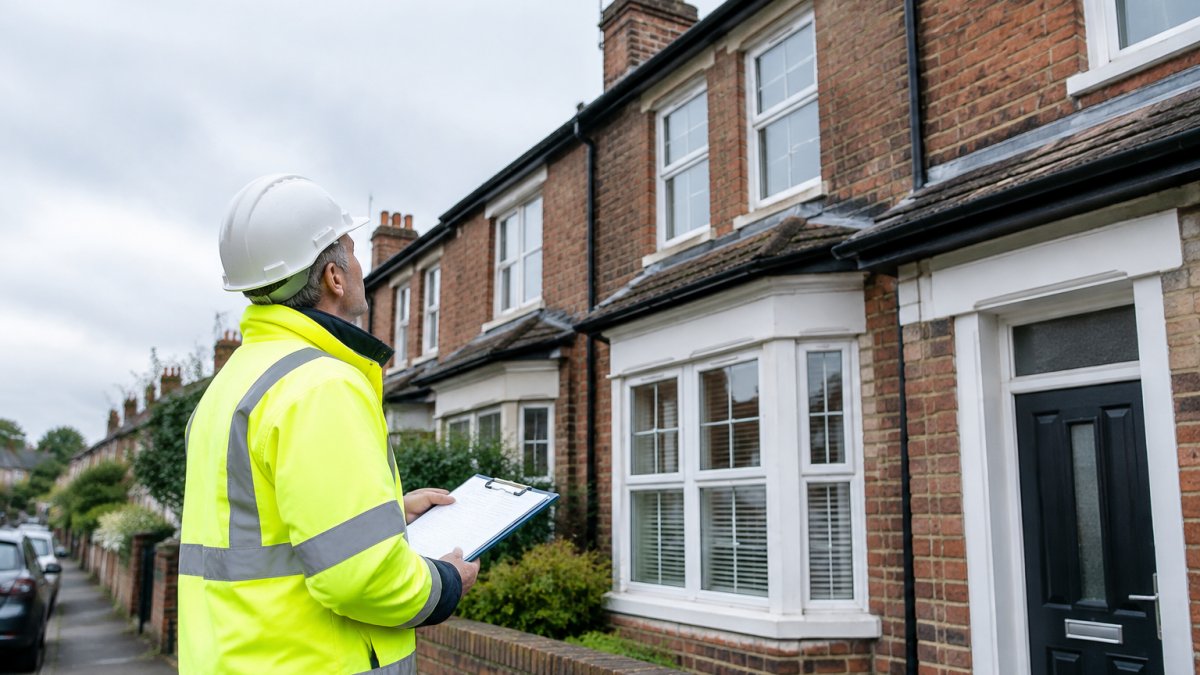
To understand what happens after mortgage valuation in the UK, note that the surveyor writes up the report and sends it to your lender.
Your lender then reviews the report against your application. This is often the quiet stage: nothing seems to happen, but the lender is checking the figures line up.
Step 2: How Long After Valuation to Get a Mortgage Offer
Most buyers get a mortgage offer one to four weeks after the valuation, with two to three weeks the common range in 2026, according to Propelr’s guide to the valuation-to-offer timeline. Straightforward cases can move faster, sometimes within a week.
Waiting is normal, but silence is not a reason to panic. Lenders work through checks in sequence, and your solicitor’s conveyancing runs alongside.
What Can Delay the Offer
Delays usually come from paperwork, not the property. Common causes include:
- Missing documents from your application
- Queries about your income or deposit
- Additional checks on a leasehold property
Watch out: sending documents in dribs and drabs is the most common self-inflicted delay. Send everything at once and confirm receipt.
Here is the timeline most buyers can expect between valuation and mortgage offer, plus what tends to slow it down.
| Stage | Typical timing | Note |
|---|---|---|
| Surveyor sends report to lender | Within a few days | Report confirms market value and notes lending issues |
| Mortgage offer after valuation | One to four weeks | Two to three weeks is the common range in 2026 |
| Straightforward cases | Sometimes within a week | Faster where paperwork is complete |
| Delay: missing documents | Varies | Most common self-inflicted delay |
| Delay: income or deposit queries | Varies | Lender checks run in sequence |
| Delay: leasehold property checks | Varies | Additional checks needed |
| Delay: further inspection needed | Varies | Valuation requires a second look |
| Delay: busy lender queue | Varies | Processing backlog at the lender |
Step 3: When the Mortgage Valuation Is Lower Than the Offer
A down-valuation means the valuer believes the property is worth less than the agreed purchase price. Lenders base the loan on the lower figure, so your loan-to-value ratio rises and the deposit gap can appear overnight.
This is more common than buyers expect. Lending issues reportedly accounted for 12.5% of agreed property sales that fell through in the first quarter of 2026, according to ValuQ’s analysis of down-valuations.
Why a Down-Valuation Happens
Valuers work from completed sales evidence, not asking prices. A down-valuation usually reflects one of a few patterns:
- The agreed price ran ahead of recent sold prices in the street or block
- The property has been improved in ways the valuer could not verify or that do not add proportionate value
- The valuer identified a condition issue, a short lease or an access problem that affects marketability
Understanding which pattern applies tells you which of the options below is realistic.
Your Options After a Down-Valuation, Compared
You have four realistic routes. Each carries a different trade-off, so compare them before you commit.
- Renegotiate the price with the seller. Use the valuation as evidence and ask the seller to meet the lower figure. This is often the cleanest route because it restores your original loan-to-value and deposit position. The trade-off is that the seller may refuse, particularly if they have another buyer waiting or have already committed to a purchase. Have your solicitor put the request in writing and set a clear deadline for a response.
- Increase your deposit to cover the shortfall. If the lender will still lend on the lower value, you can bridge the gap from your own funds. This keeps the purchase alive but ties up cash you may have earmarked for fees, stamp duty or refurbishment. Check the lender’s maximum loan-to-value for the product before assuming this route is open.
- Ask the lender to review the valuation. If you believe the valuer missed recent comparable sales or misunderstood the property, you can request a review. This is covered in detail in Step 7. The trade-off is time: a review adds days or weeks and may not change the outcome.
- Walk away if the gap is too wide. If the shortfall is large and the seller will not move, walking away protects you from overpaying. You may lose some sunk costs, but you avoid starting ownership in negative equity.
How the Shortfall Is Calculated
The gap is the difference between the agreed price and the valuation, adjusted for the lender’s maximum loan-to-value.
If a bigger deposit is needed, work out what that means for your plans with our mortgage deposit calculator, or read how much deposit you need for a first mortgage before you decide.
Watch out: agreeing to increase your deposit without checking the lender’s revised loan-to-value band can leave you short at the last minute, because a higher loan-to-value often comes with a different rate and product fee.
What to Do First
Contact your adviser or lender as soon as the down-valuation is confirmed. Ask three questions: what figure the lender will lend against, whether the product and rate change at the new loan-to-value, and how long you have to respond. Then speak to your solicitor about putting the renegotiation request to the seller in writing. Speed matters, because the seller’s patience and your mortgage offer timeline both run in parallel.
Step 4: Mortgage Valuation Passed, What Next for Your Application
Knowing what happens after mortgage valuation in the UK helps here: a passed valuation moves your application into its final stages. Once the formal offer is in place, the process after offer acceptance turns to agreeing the purchase details and preparing for completion.
The offer is not the finish line. Completion still depends on conveyancing, searches and exchange. Keep your solicitor informed and avoid changing your financial position, such as taking on new credit, before completion.
Step 5: What to Do While You Wait for the Lender’s Decision
Use the waiting time well. Check your paperwork is complete, respond to lender queries the same day, and keep your deposit funds where the lender expects them. Avoid new credit applications or job changes without telling your adviser.
It also helps to plan the practical side: buildings insurance, removal dates and your notice period if you rent. A short checklist keeps the process calm:
- Confirm all documents are with the lender
- Reply to any queries within 24 hours
- Keep your deposit untouched
Step 6: When the Valuation Flags Property Concerns
Sometimes the valuation passes on value but flags a condition issue, such as damp, structural movement or a short lease. The lender may hold the offer, request a further inspection, or lend only on certain conditions.
A mortgage valuation is not a full survey. Moneyfacts warns that a valuation should not be treated as a detailed survey of the property’s condition.
Step 7: How to Challenge a Valuation You Believe Is Wrong
You can ask for a review, but you need evidence. A challenge is not a complaint about the price you hoped for; it is an evidence-based request to reconsider the figure using sales the valuer may have missed or misunderstood. A review is generally considered only where specific comparable evidence is supplied, so the quality of your file matters.
Step-by-Step: How to Request a Review
- Ask your lender or adviser whether a review process exists for your application and what evidence it accepts. Some lenders handle reviews internally; others ask the valuer to reconsider.
- Request the valuation figure and the effective date in writing. You need to know exactly what was valued and when, because comparables must be relevant to that date.
- Build a comparable-sales file. Use completed sales, not asking prices, and keep the evidence tight and recent.
- Submit the file in one go with a short covering note explaining why each comparable supports a higher figure.
- Set a follow-up date and ask the lender to confirm receipt and expected timescale.
Comparable-Sales Evidence Checklist
A strong review file usually includes:
- Addresses and sale prices of at least three to five comparable properties
- Sale completion dates, ideally within the last six months
- Property type, size, bedroom count and condition where known
Keep the file factual. Valuers are used to reading evidence, and a clear, well-organised submission is more persuasive than a long letter.
What Evidence Rarely Changes the Outcome
Asking prices, estate agent opinions, online valuation estimates and general market sentiment rarely move a review. Valuers work from completed sales, so a file built on asking prices or portal estimates is usually rejected. Similarly, improvements only count where they are evidenced and where the market would pay for them; a new kitchen is not automatically a like-for-like adjustment.
Realistic Expectations and Timelines
A review can take days or several weeks depending on the lender and the valuer’s workload. Some reviews result in an unchanged figure, and a minority result in an adjustment. Plan for the possibility that the original valuation stands, and keep the options in Step 3 open while you wait.
Watch out: submitting a review request without completion dates or Land Registry evidence can make it harder to verify the comparables against the valuation date.
If the Review Fails
If the review fails, the options in Step 3 still apply: renegotiate with the seller, increase your deposit, or walk away. Ask your adviser whether a different lender is likely to instruct a different valuer and reach a different figure, but treat that as a fresh application rather than a guaranteed fix. A failed review is not the end of the purchase; it simply narrows the routes available.
Getting Independent Advice on Your Mortgage Offer
An adviser can review your offer, explain the conditions and help you decide your next move after a valuation. If you are weighing up whether to use a broker or go direct, our comparison of mortgage broker versus direct to lender sets out the differences in fees, rates and access. You can also check typical mortgage adviser fees before you commit, or compare mortgage advisers on lender access and service.
Cornerstone Mortgages Limited offers whole-of-market advice with no obligation, delivered by phone, video call or email. If the valuation has changed your plans, you can arrange no-obligation independent mortgage advice and we will talk through your options. If you are over 55 and exploring how your property fits into later-life planning, you can also request a free equity release quote to see what might be available.
A low valuation or a slow offer can unsettle any purchase, but the right guidance keeps it manageable. Cornerstone Mortgages Limited offers independent, whole-of-market advice and a one-on-one service from a qualified adviser, all delivered remotely. Get started with Cornerstone Mortgages Limited and move forward with a clear plan for your mortgage.
Frequently Asked Questions
Does a mortgage valuation mean my mortgage is approved?
No. A mortgage valuation is only one part of the lender’s assessment. It confirms the property’s market value for lending purposes, but the lender will still check your income, credit history and affordability before issuing a formal mortgage offer. A satisfactory valuation is a positive sign, but it does not guarantee approval. The lender may request further documents or ask for additional information before making a final lending decision.
How long after valuation to get a mortgage offer?
Published guidance varies, and timescales depend on the lender and the case. The exact time depends on your lender’s processing queue, whether the valuation raised any concerns, and how quickly any outstanding paperwork is resolved. Your lender or broker can give you a more specific estimate for your application.
What happens if the mortgage valuation is lower than the purchase price?
A down-valuation means the lender values the property below your agreed purchase price. You can renegotiate the price with the seller, increase your deposit to cover the shortfall, challenge the valuation with comparable evidence, or apply to another lender. Each option has trade-offs. An independent adviser can help you weigh them against your budget and timescales before you commit to a course of action.
Can a mortgage be declined after the valuation?
Yes. A valuation can reveal property issues that make the lender uncomfortable, such as structural problems or a short lease on a leasehold property. The lender may decline the application or offer a reduced loan amount. Separately, the lender can still decline based on underwriting checks on your finances even if the valuation is satisfactory. If that happens, ask the lender or your broker to explain the reason so you can decide your next step.
